Where do you think gas and electricity prices will be this time next year?
Of course, we all want them to be a lot lower, but there’s growing opinion that high rates will be with us for a few years.
Although that’s tough to accept, it might also be an opportunity to make more extreme changes to our habits and homes in the knowledge that any investment will be paid back faster.
It’s also a chance to reduce our dependence on the National Grid and be less affected by Government policy or international events.
Whether you agree or not, the fact is that prices are sky-high today and the only control we have is to conserve how much energy we use.
To help with that, I’ve compiled a list of easy and more extreme energy saving tips that I’ve used myself with great results.
The more you apply, the more you’ll save.
What's In This Article...
Top 5 Easy Energy Saving Tips
Don’t underestimate this list, some of the best long-term energy saving ideas can be applied in just a few seconds and save you money all year round.
1. Turn Down Your Central Heating Thermostat and Save £130
Turning down the temperature of your heating thermostat by just 1 degree can save around £130 a year for an average home, according to research by University College London.
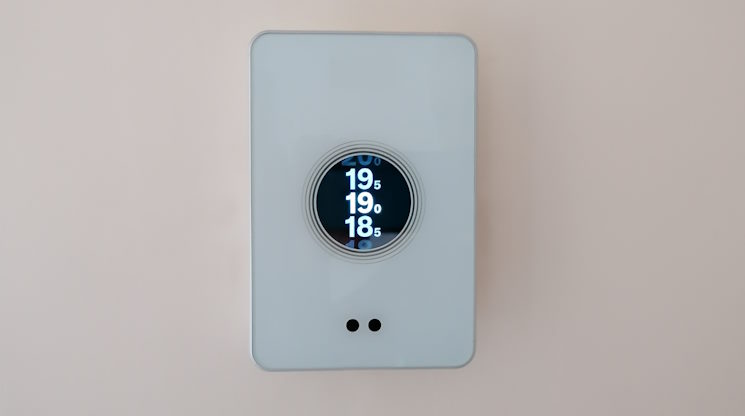
Turning it down further obviously increases the savings, but you might be surprised just how much they can add up when reduced between 22 and 18 degrees, which is the recommended safe minimum in winter.
| Thermostat Temperature | Annual Saving Per Degree* | Total |
| 22° to 21° | £130 | £130 |
| 21° to 20° | £130 | £260 |
| 20° to 19° | £130 | £390 |
| 19° to 18° | £130 | £520 |
*Based on a 85m² property with energy prices of £0.34 per kWh for electricity and £0.103/kWh for gas.
2. Reduce Your Boiler Flow Temperature and Save £112
If you have a combi boiler, it will have a flow temperature setting that controls how hot the water gets that fills your radiators. This is different from the thermostat you use to turn your central heating up or down and is adjusted from the boiler itself.
By default, the flow temperature is often set quite high between 70 and 80 degrees, when many properties can be adequately heated at 60 degrees. Newer or well insulated homes may be fine with even lower numbers.
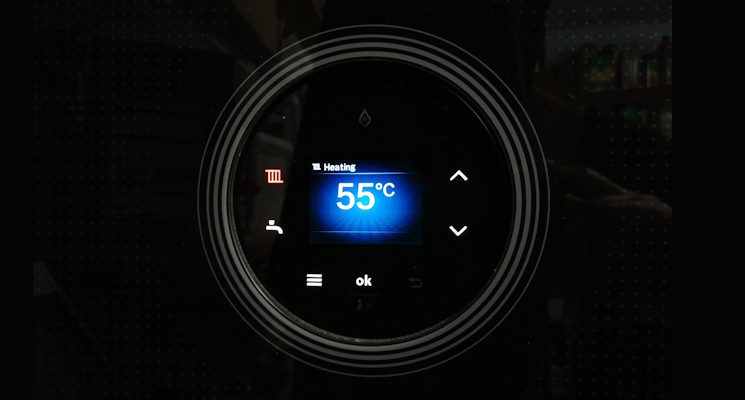
For example, I have our boiler flow setting at 55 degrees and we don’t notice the difference.
It doesn’t have to be a permanent change, you can gradually adjust it back up again as winter approaches.
For such a simple fix, the savings are noticeable, with the Money Saving Boiler Challenge claiming they could be around £112 a year.
3. Turn Down Thermostatic Radiator Valves for a £68 Saving
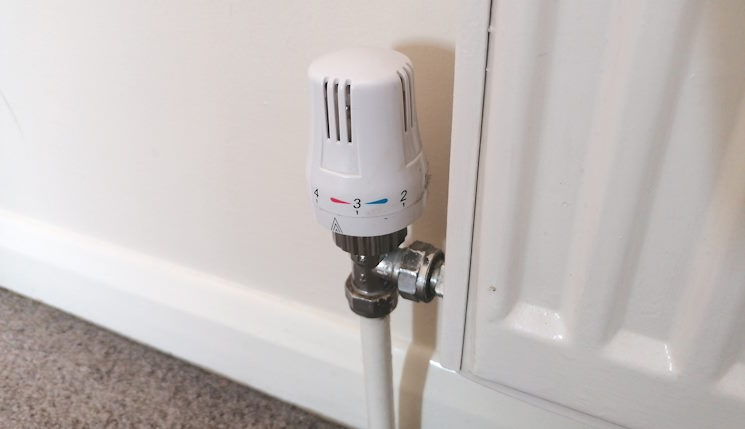
Another central heating hack is to turn down the temperature setting on any thermostatic radiator valves (TRVs) in rooms that you aren’t using.
Research by the charity Nesta showed that doing this could save the average household 5.5% or £68 per year.
4. Get a Smart Meter and Use £58 Less Energy
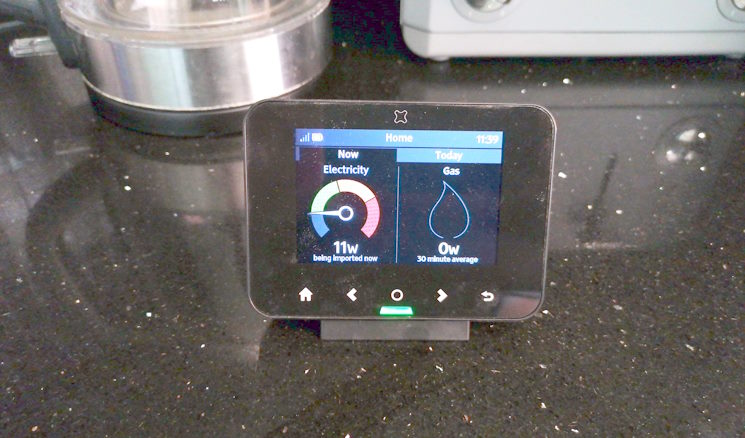
This makes the list not because it saves you money itself, but because it helps you make better decisions that can encourage more efficient energy use.
And according to figures published in The Times, those better decisions could save as much as 3% (£34) on a typical price cap annual electricity bill and 2% (£24) on gas.
Our meters were changed to the latest SMETS2 smart meters before we had a solar PV system installed in 2022, and it’s been really useful to verify in real time what devices are responsible for spikes in consumption.
But there are other benefits too:
- Know exactly what you’ve spent via the in-home display unit and be able to adjust usage without waiting for a bill
- Have access to new flexible time-of-use tariffs only available to properties with a smart meter (I’m currently looking at the Octopus Agile tariff)
- You can participate in national grid energy rebate schemes that reward you for cutting back during specific hours.
- Accurate bills with no estimates that could be costing you more
If you can’t or don’t want to switch, you can buy home energy monitors which show similar live readings for electricity and start around £20.
5. Only Boil the Water You Need
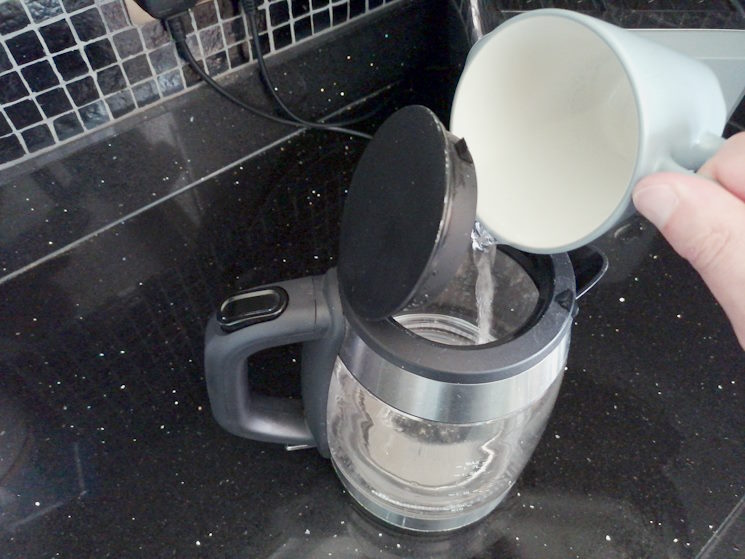
Kettle fill level indicators are helpful, but there’s no better way to make sure you only boil what you need than filling your cup with water first, then empty it into the kettle.
And if you’re heating water to drink, ask yourself, do you really need to fully boil it? Try stopping the kettle a few seconds before it normally clicks off.
Top 5 Extreme Energy Saving Tips
We can all have a different definition of extreme, but for the purposes of saving energy at home, mine is anything that requires a long term change of routine or significant financial investment.
I’ve included monetary saving figures where possible, but thorough testing data isn’t as widely available for more extreme measures because fewer people are prepared to try them.
I hope to carry out more of my own tests to give you a better idea when time allows.
1. Maximise Off-Peak Energy Use
If you have a flexible time-of-use or off-peak electric tariff, such as economy 7, try to use appliances during those cheaper hours.
Delay timers are common features on washing machines and dishwashers, so can be programmed to turn on at any time.
Of course, that doesn’t apply to tumble dryers, or any device which should never be left unattended due to the risk of fire.
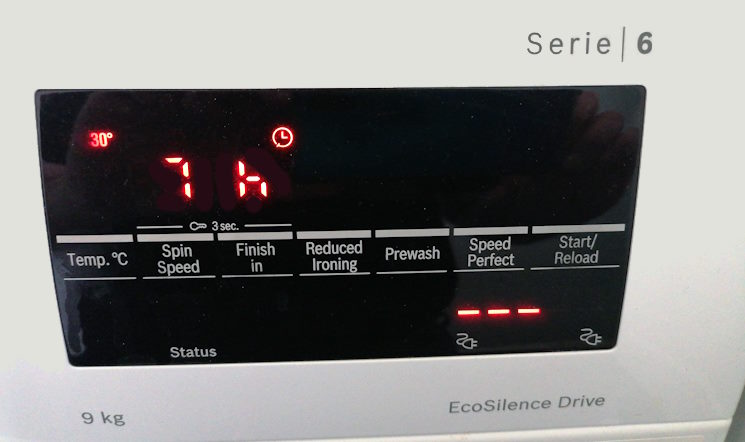
While kettles don’t have delay timers, simply get up before 7am to boil a full kettle (electric) and decant it into a thermos flask for the day’s hot drinks.
Based on average economy 7 rates, that should save you about 50% in kettle energy costs.
2. Fill a Flask
As mentioned above, a good-sized thermos flask can be used to store hot water boiled with energy sources that are cheaper than standard rate electric from the grid.
This is even more powerful if you have an off-peak tariff or, better yet, solar panels. When the panels are producing enough power to cover the kW rating of your kettle, you’re getting free hot water and storing it for later use in the day when the sun might be unreliable or for nighttime brews.
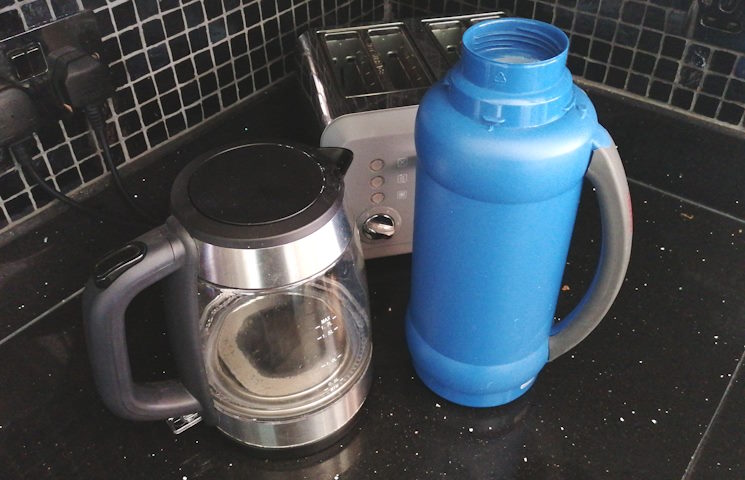
I have two 1L thermos flasks next to my kettle just for this purpose.
3. Change Your Kettle
Gas currently costs around a quarter of the price of electricity, so if you have a gas hob, buy a cheap camping kettle and boil water for less.
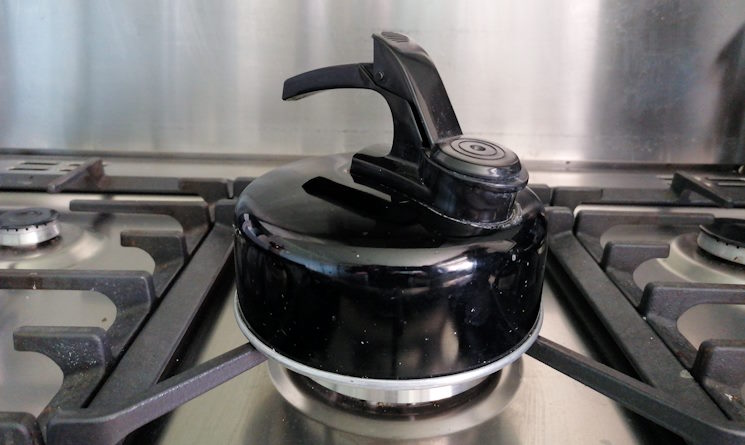
I bought a small one litre camping kettle for £6 which has a thin aluminium base and boils a mug of water in just two minutes.
4. Use Residual Heat
Residual heat is accumulated heat generated by a device that is no longer in use, and it can be exploited in a range of home appliances to save energy.
For example, if you have to use your main oven to cook a meal, switch it off a few minutes early and the accumulated heat will continue to cook the food without consuming any energy. You can do the same with an air fryer or any device that generates and uses heat.
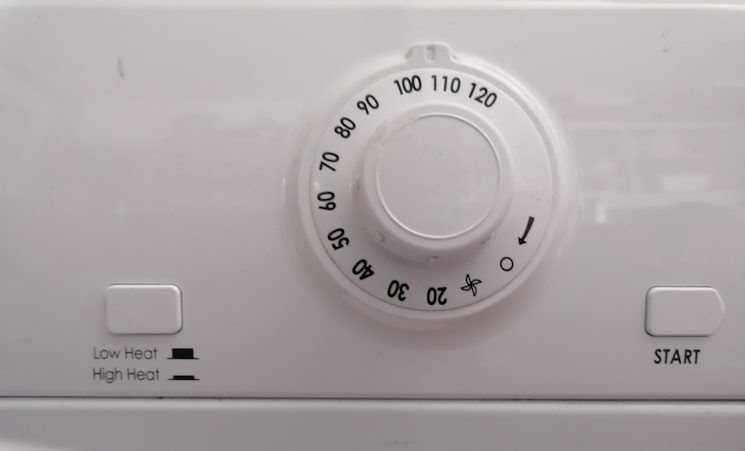
One application of residual heat I use a lot is with the tumble dryer.
Rather than waste the heat built up from drying a load of washing, dry another right after the first for faster results with less electricity consumption.
5. Turn Off Hot Water Tap Feeds in Summer
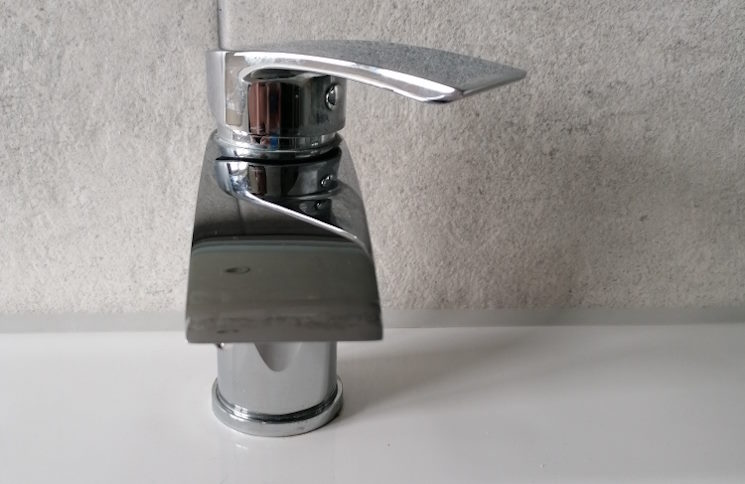
If you have modern mixer taps in your kitchen or bathroom, they often have a dual function handle that switches on the water and selects the temperature.
These look good but can make it too easy to trigger your boiler or drain your tank when all you need is a quick rinse or handwash.
Of course, the easy solution is to make sure cold is selected but, if you need a more certain solution in the warmer months, switch off the hot water feed.
You’ll need an isolator valve fitted under your sink to be able to do this and leave a source of hot water available nearby, so you always have the choice.
Where Should You Start?
Not all of these tips are for everyone, either because of circumstances or preference.
But most can try at least one, starting with the easiest and working down as far as you can.
As you start to see savings and if you can afford to, it’s a good idea to re-invest this money back into your home with more efficient appliances and insulation.
Start with the least efficient areas first that are likely to save you the most money.