- The switching process can be completed in as little as 5 working days with suppliers that are members of the Energy Switch Guarantee.
- Changing suppliers can give you access to competitive fixed and innovative smart tariffs which could save you money.
- If you've had poor service from your current provider, moving to a top rated company could make managing your energy easier.
Since the energy crisis began in 2021, we’ve all felt the sting of unprecedented gas and electric bills.
That’s why it’s become more crucial than ever to choose an energy supplier who values you as a customer with responsive service and forward-thinking tariffs.
Whatever your need to switch, the idea of changing supplier during an energy crisis may seem daunting, especially if you’ve been with the same company for some time.
I felt the same before switching to Octopus Energy in 2022, but in reality, the process was quick and simple to arrange.
Here’s a rundown of everything I learned and some tips I wish I’d known about.
What's In This Article...
The Benefits of Switching Energy Suppliers
Whether you’re looking for lower energy bills, a better tariff or top-notch service, switching can open up deals that better suit your individual circumstances.
Save Money
Reducing energy costs is the primary motivation for changing to a new supplier. Unfortunately, the continuing energy crisis and introduction of a price cap has removed much of the traditional pricing competition between suppliers.
Despite that, there’s still an opportunity to save money by switching to a tariff that’s more suited to your lifestyle and consumption habits.
Cheaper Tariffs
A tariff is the pricing structure set by suppliers for the energy you use.
It could be a fixed rate where you pay a set cost per unit of energy for a specific period, or a variable rate where the cost per unit fluctuates based on the wholesale energy market. Sometimes, the tariff you’re on might not be the best for your usage patterns, leading to unnecessarily high costs.
Switching to a new energy supplier can give you access to more innovative, flexible tariffs that enable you to take advantage of cheaper electricity when there’s less demand or a drop in wholesale prices.
Some examples of that include:
- If you have an electric vehicle, EV tariffs can provide low charging costs between certain hours overnight.
- If you have a smart meter and home battery, you can store electricity from cheaper off-peak hours to be used when unit rates are higher.
Switching Rewards
Not only does switching energy suppliers offer the potential of better pricing, but attractive incentives can sweeten the deal even further.
Under the current energy price cap system, switching rewards have reduced but some suppliers are still offering cash rewards to existing customers who refer new accounts to them using a shareable link. The cash is shared equally between the existing and new customers in the form of an account credit.
Always read the fine print, though, and stay focused on switching to improve your energy supply. Rewards can add extra value to a better deal, but don’t let them distract you from your primary goal: reducing your energy costs.
Innovative Tariffs
Some energy companies now offer innovative ‘smart tariffs’ designed to work with customers who have smart meters and are able to take advantage of more flexible pricing technology.
For example, if you own an electric car, there are smart charging tariffs that offer lower rates during off-peak hours, making it much cheaper to charge a vehicle overnight.
Similarly, those with solar panel systems may find some ‘export tariffs’ offer more generous rates per kWh of electricity you send back to the grid.
Plus, if you’re committed to doing your part for the environment, look for suppliers with 100% renewable energy tariffs. So, you’re not just meeting your home’s energy needs—you’re doing it in a way that benefits the Earth, too.
Improved Customer Service
As the energy price cap continues to protect UK residents from volatile wholesale prices, poor customer service is now the main reason for switching energy suppliers.
You may be dealing with billing errors, meter problems or just long waiting times, but this is not something you have to endure.
The UK energy market is competitive, and there are still some suppliers who will go the extra mile to provide excellent customer service. A new provider could offer additional services such as:
- 24/7 helplines with responsive customer service
- An easy-to-use app or website
- Clear and informative billing
- Innovative tariffs that suit your usage patterns and lifestyle
- Extra support for vulnerable customers
The good news is that most of the work finding suppliers that offer good customer service has already been done by independent consumer groups such as Citizens Advice and Which.
They do regular checks on supplier performance in the form of customer surveys, standards of service and complaint analysis to rate energy firms from best to worst.
Understanding the Switching Process
Switching to a new energy supplier should be a quick and hassle-free experience, taking as little as five working days for providers who are members of the Energy Switch Guarantee.

Whether you move to an ESG registered supplier or not, most consumers are satisfied with the switching process¹ which is also regulated by the Office of Gas and Electricity Markets (Ofgem), and covered by a 14-day cooling-off period. So, if you change your mind for whatever reason, you can cancel the switch and return to your current provider.
You can switch suppliers any time you want and as many times as you want, without worrying about disruptions to your supply.
However, there are some situations that might prevent you from being able to switch immediately.
Check That You’re Able to Switch
Before you start the switching process, it’s critical to check that you’re eligible to change energy suppliers. Here’s what you need to consider:
Exit Fees
If you’re currently on a fixed energy contract, check if you’re liable for any exit fees if you end the contract early.
Not all suppliers have exit fees, but for those that do, you could end up paying anywhere between £10 to £75 per fuel. For example, my supplier is Octopus, and they are currently offering me a fixed energy deal which has a £75 exit fee for each fuel.
So, if you’re switching both gas and electricity, that fee could be as much as £150 which could erode any financial benefit of switching in the first place.
However, if your contract is nearing its end – specifically less than 49 days before the end – your supplier can’t charge you an exit fee according to Ofgem regulations.
Outstanding Debt
If you owe your current supplier money, there are certain criteria to be aware of.
-
- Debt Under 28 Days: If your debt has been outstanding for less than 28 days, you can still switch. The amount you owe will be added to your final bill from your current supplier.
- Debt Over 28 Days: If your debt has been outstanding for more than 28 days, you’re required to repay the debt before you can switch.
- Prepayment Meters: If you have a prepayment meter and owe less than £500 for gas or electricity, your new energy supplier might agree to take on the debt.
If outstanding debt is stopping you from making a switch, it’s time to come up with a plan to clear it.
Approach your current supplier and discuss setting up a payment plan. They can help you figure out what you can afford to pay and how long it will take to clear. Remember, they would rather you pay back slowly than not at all.
Is There a Best Time to Switch?
Switching during the summer months, when typical consumption is at its lowest, can be a good time as you’re more likely to be in credit and not have to repay any debt on your account first.
Other than that, you can switch at any time of the year without any difference in the process.
Information You’ll Need
You only need basic information and even less if you have a smart meter as some of your supply details can be automatically detected.
To get a quote direct from a new provider or via a price comparison website, you’ll need to input your address, post code, the name of your current supplier and tariff.
To ensure your quote is as accurate as possible, it helps to know how much gas and electricity you use per year. The best place to find that is on a recent bill or annual statement.
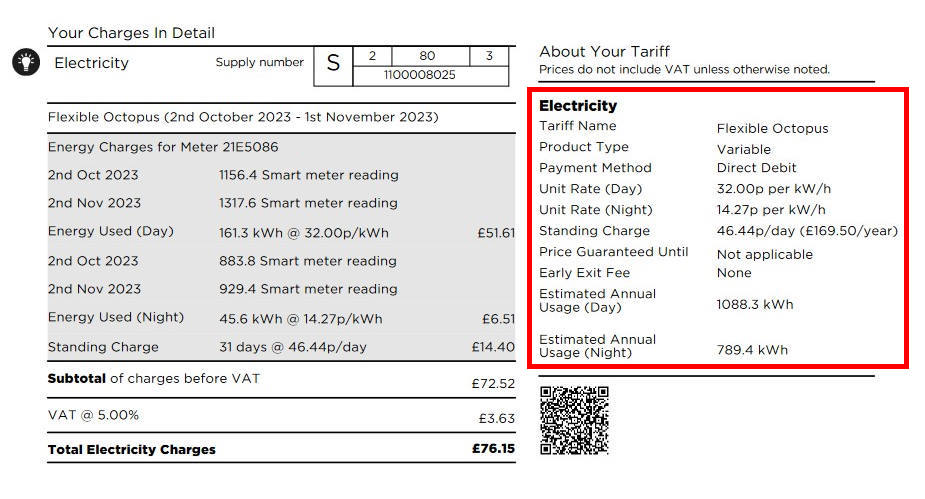
Once you’re ready to start the switching process, your new supplier will need some personal details like your full name, address and contact information. You’ll also need to confirm your payment method including bank account details if paying by direct debit.
Choosing the Best Energy Supplier
When it’s time to select your new energy supplier, there are a few factors to consider to ensure an easy switching process and a positive experience with your new provider.
- Are they signed up to the Energy Switch Guarantee scheme which sets higher standards than those required by the regulator?
- Do they have good customer service ratings from consumer organisations such as Citizens Advice and Which?
- Do they have mostly positive customer review ratings on Trustpilot?
- Do they offer 100% renewable tariffs?
- Do they offer innovative smart tariffs?
- If you currently benefit from a time-of-use tariff such as Economy 7, does the new provider offer a similar rate you can switch to?
- If you have or are interested in having solar panels installed, do they offer competitive electricity export rates?
Choosing the Right Energy Tariff
Energy tariffs are the pricing plans that determine how much you pay for your energy usage.
They include the unit cost of energy per kWh and standing charges.
Tariffs can be defined by their payment structure such as fixed and variable, or by specific features such as the type of energy supplied (renewable, dual fuel), the type of meter required (smart, prepayment) or the type of technology it is designed to support (EV cars, heat pumps and solar installations).
Fixed Tariffs
As the name suggests, a fixed-rate tariff fixes the price of your gas and/or electricity for a set period, usually between 12 and 24 months. During that period, your energy bills won’t be affected by the movements of the current price cap which is reviewed and set by the regulator Ofgem every quarter.
Pros
The advantage is that you’re shielded from energy market volatility and price spikes.
Cons
The disadvantage is that you won’t benefit from any price reductions during the fixed period and might have to pay exit fees if you want to switch to another tariff or supplier early.
Who Are They For?
The choice to fix should be influenced by three factors:
- Your expectation of energy prices over the next 12-24 months. You can check predictions for the price cap for the next 12 months on the Cornwall Insight website.
- Your attitude to the potential risk of being worse off if prices fall.
- How much you value the certainty or peace of mind of not having to worry about the energy crisis affecting you for the next 12-24 months.
Variable Tariffs
If you’re comfortable with market price shifts and expect prices to stay about the same or fall over the next 12 months, variable-rate tariffs may be your preferred option.
Pros
The cost of these tariffs can fall with cheaper market prices and there are no fees to change to another plan.
Cons
The downside is that energy costs can also rise quickly with wholesale market movements.
Who Are They For?
- Anyone who expects energy prices to stay about the same or reduce over the next 12-24 months.
- Anyone who isn’t comfortable with the potential of being locked into a higher price for energy if market costs fall.
- Anyone who doesn’t want to be tied into a fixed price and have to pay fees to switch.
Smart Tariffs
If you have a smart meter installed, solar panels, or an electric vehicle, smart tariffs could save you a significant amount of money on your current bills.
Pros
Smart tariffs fluctuate in real-time with energy prices, allowing you to save money by using energy during cheaper off-peak hours.
Cons
If you’re unable to move a substantial amount of your energy consumption to off-peak hours, you could pay more overall.
Who Are They For?
- Anyone with a compatible smart meter, ideally the latest SMETS2 versions.
- Those with a home setup (solar panels, electric vehicles, heat pumps) that can take advantage of smart meter technology and dynamic pricing tariffs.
- Customers who can switch some of their energy use to off-peak hours when unit prices are cheaper.
Time-of-Use Tariffs
Traditional time-of-use tariffs with static pricing, also known as economy 7 or dual rate tariffs, can be a smart way to save money if you’re able to move some of your energy usage to within set off-peak hours.
With the introduction of smart meters, new dynamic time-of-use tariffs are becoming more popular.
Rather than a fixed energy price during set off-peak hours, dynamic pricing adjusts the unit rate depending on the level of grid demand and the type of energy required to meet it.
For example, during peak periods, the grid may have to rely on more expensive fossil fuels but at off-peak times switch to cheaper renewable sources.
Pros
With time-of-use tariffs, you can control your energy costs by choosing to use energy-intensive appliances during off-peak hours such as 12am to 7am when unit rates are around 50% cheaper. For example, you might decide to run your washing machine or dishwasher overnight.
Cons
A key point to remember is that energy costs during peak hours can be significantly higher than standard rates. So, if you’re at home a lot during the day, they may not offer the best value for money. That’s why it’s essential to monitor your usage carefully to avoid unexpected high costs.
Who Are They For?
Anyone who is able to shift some of their electricity consumption to off-peak hours or when more renewable energy is being generated by the grid.
The Actual Switch: What Happens?
The majority of the switching process is handled by your new supplier, who will start the procedure after receiving an instruction from you, usually done online or over the phone.
Here’s what that looks like:
- Initiate the Switch: It starts with you accepting a quote from your preferred supplier, and confirming your supply and payment details. The standard 14-day cooling-off period starts from the day you accept the new supplier’s contract and allows you to cancel the process without penalty during that time.
- Existing Supplier Contact: Your new provider will communicate with your existing provider to inform them of the switch and start the supply handover process which could take as little as 5 working days.
- Meter Readings: On the day of the actual switchover of supply, you’ll be asked to take meter readings if you don’t have a smart meter. This is to ensure the final bill from your old provider and the first bill from the new one are accurate, so you only pay for what you use.
- Energy Supply Handover: Your new and old suppliers will co-ordinate the transfer of your supply which will be uninterrupted.
- Final Bill: Your old supplier will send you a final bill based on an estimated or actual final meter reading.
- Confirmation: Finally, your new supplier will confirm that the switch is complete. Any switching rewards will usually be paid after the cooling-off period has passed and the first bill payment has been received by your new provider.
How to Switch Suppliers Step by Step
Whether you’re motivated to switch by cost, service standards, or innovative smart tariffs, the process is the same and starts with choosing a new supplier.
However you make that decision, you’ll need to understand your current energy use.
Step 1: Check How Much Energy You Use
Whether you go direct to your chosen supplier or use a comparison site, you’ll be asked to confirm your typical energy usage so a quotation can be generated for you.
You can find your actual kWh usage details on your latest energy bill or annual statements.
Step 2: Try Comparison Websites
Although traditional comparisons aren’t possible under the current price cap system, energy comparison websites can still be a convenient way to compare multiple suppliers on their tariff features and customer service ratings.
Just enter your postcode and usage information, and view a list of deals that are tailored to you.
Try using a minimum of three comparison sites to ensure you don’t miss any exclusive deals.
At the time of writing, the UK regulator Ofgem, has a list of nine accredited energy comparison websites:
- Energylinx
- The Energy Shop
- Money Supermarket
- My Utility Genius
- Simply Switch
- Switch Gas and Electric
- Quotezone
- Unravel It
- Uswitch
Step 3: Choose a New Supplier and Tariff
Whether you choose a new supplier after using a comparison website, direct from your own research, or via a recommendation, check that they meet your needs beyond just tariff options and pricing.
While affordable prices are important, don’t forget to consider other factors such as:
- Customer service ratings
- Tariff terms and conditions such as exit fees
- Compatibility with your current home setup
- Green energy options
Step 4: Start the Switch
Once you’ve made your selection, initiate the switch with your preferred company. This can usually be done online through the energy supplier’s website or via the comparison website.
You’ll need to provide some personal and property-related information including your bank details if you choose to pay by direct debit.
Step 5: Wait for the Switch to Complete
The new supplier will handle all the technicalities of the switch. You usually don’t have to do anything else after starting the process, other than take meter readings on the day the supply is transferred if you don’t have a smart meter.
Throughout this period, your new supplier will be in touch to confirm your actual switch date. The entire process of transferring your supply to them should take no longer than 5 working days.
Step 6: Pay Your Final Bill
Once the switch has been completed, you’ll receive a final bill from your old supplier for energy used up until that point.
This will normally be collected via the same direct debit you used to pay your monthly bills with them.
If you are in credit, the balance should be refunded to your bank account.
Once paid, you can then cancel the direct debit with your old supplier.
Common Switching Issues and How to Overcome Them
In the unlikely event of anything going wrong with your switch, there are standards put in place by the regulator Ofgem to ensure that issues are fixed and you are automatically compensated £30 per breach within 10 working days.
Common problems might include delayed switch times, poor customer service, or unexpected charges.
Switching Delays
Delays in switching your supply could be caused by meter issues, communication errors, or just poor service.
Whatever the cause, if you’ve waited more than 15 working days for the process to complete, contact your new supplier for an update. If nothing is outstanding, you should be eligible for £30 automatic compensation.
Poor Service
If you’re unhappy with any aspect of your switch, you should first contact your new supplier’s customer service department.
Making a Complaint
If any issue remains unresolved, you should first contact your supplier. If you’re unhappy with their response, you can get free help from the Citizens Advice helpline, or submit a formal complaint to the Energy Ombudsman after 8 weeks.
Common Energy Switching Questions
Is it worth changing energy suppliers at the moment?
Although traditional price comparisons have been suspended under the energy cap system, it can still be worth switching to a supplier with better customer service and tariff options. For example, some providers are trying to encourage new customers to switch to them by offering attractive fixed tariffs that are anywhere from 1% under the current price cap rates to 1%-2% over.
Are there any fees or charges involved in switching energy suppliers?
The switching process itself is free and regulated by Ofgem. However, if you’re on a fixed rate tariff and you opt to switch more than 49 days before your contract has ended, you may be required to pay an ‘exit fee’.
Can I switch if I owe money to my current supplier?
Yes, as long as the debt is less than 28 days old and not more than £500 for gas or electricity if you have a prepayment meter. Any outstanding amount that the new supplier hasn’t agreed to transfer will usually be added to your old supplier’s final bill as part of the standard switching process.
Can I switch if I’m on a fixed tariff?
Yes, but if you have more than 49 days of your fixed contract left, you might have to pay exit fees. Check with your current provider before starting any switch.
Can I switch if I rent my property?
If you are responsible for paying the energy provider that supplies your property directly, you are able to switch. If you pay your landlord for your energy bills, you’ll have to arrange to switch companies with them. It’s always best to check the terms of your tenancy agreement before making changes to your energy supply or meters.
What information do I need to provide?
To start a switch, your preferred supplier will need to confirm your address, current provider, current tariff, and payment details.
They’ll also need to know your annual energy usage to generate a quote for supplying gas and/or electricity on your chosen tariff.
Will I need to contact my existing energy supplier to cancel my contract?
No, the entire process will be handled by your new supplier on your behalf who will liaise with your current provider from start to finish.
What happens if I change my mind after starting the switching process?
You have a 14-day cooling-off period after starting a switch during which time you can cancel the process without penalty.
How long does it take to switch energy provider?
The switching process typically takes 5-7 working days but can take up to 21 days if you choose to complete the transfer of your supply after the 14-day cooling-off period.
What should I do if there are any issues or problems during the switch?
Always contact your new supplier first to raise your concerns. If any issues remain unresolved you can make an official complaint to your new and/or old supplier who should act quickly to resolve them. If that doesn’t happen to your satisfaction after 8 weeks, you can submit a formal complaint to the Energy Ombudsman who has the power to force suppliers to take necessary action.
Get Started With My Switching Checklist
- Whatever your reason for switching to another energy company, double-check that your existing supplier can’t provide it first.
- Confirm your current supplier’s name and also the name of your tariff with them. You can find this on your latest bill or by logging into your online account if you have one. For example, mine is called ‘Flexible Octopus’.
- Confirm your annual energy consumption for whichever fuel you want to switch. For gas and electricity, this is displayed in kWh on your bills, but your existing supplier will be able to confirm the numbers if you can’t find them. Save these figures for later.
- If you’re unsure which provider to choose, you can compare energy tariffs, deals, and service ratings on most price comparison websites. Use one or more of the nine sites that are accredited by Ofgem.
- If you already know which company and tariff you want to switch to, simply request a quote from them by phone or via their website using the details above.
- Once you’re happy with your chosen supplier’s offer, complete a switching application form on their website or by phone.
References (1)
1. According to a 2023 survey by Statistica – https://www.statista.com/statistics/1289339/consumer-satisfaction-switching-electricity-suppliers-great-britain/.